







Dispatch
Myanmar Committed Genocide Against Rohingya, ICJ Ruled
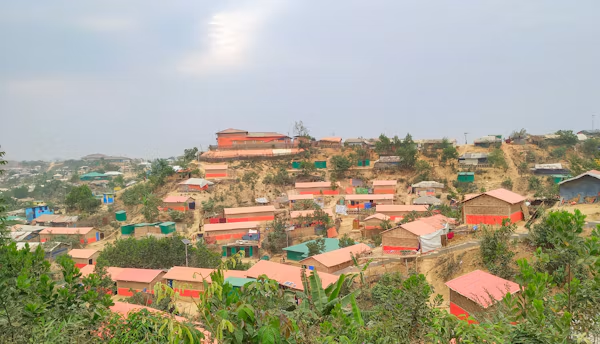
The International Court of Justice (ICJ) has ruled that Myanmar committed genocide against the Rohingya in northern Rakhine State in 2017, carried out by the military. The case was brought by Gambia to the ICJ, accusing Myanmar of attempting to destroy the Rohingya group and breaching the 1948 Genocide Convention. The ICJ found that the military had killed an estimated 10,000 Rohingya.
This is the first time in the ICJ’s 80-year history that it has ruled on a case of genocide committed by a state. The Court has ordered Myanmar to cease ongoing violations, conduct thorough investigations into those responsible for planning and carrying out the genocide, and provide for the repatriation and compensation of the Rohingya. The verdict is legally binding and cannot be appealed, but it also cannot be enforced.
The Rohingya community has faced extreme human rights abuses and is vulnerable to exploitation and gender-based violence. The community is not recognised as an ethnic group in Myanmar, despite having lived in the country for generations, making it the largest stateless population in the world. About 75 per cent of the Rohingya population are women and children, with more than 1.4 million people displaced in 2025.
According to Amnesty International Secretary General Agnes Callamard, the Myanmar government and military have institutionalised segregation, discrimination, and persecution against the Rohingya. “[The military and officials] have confined Rohingya to refugee camps, burned their homes and villages, and committed widespread unlawful killings and sexual violence, including during the horrors of the military’s 2017 campaign.”, she added.
Callamard also suggested that the Myanmar authorities must comply with ICJ’s ruling immediately. She also said, “All other states, including ASEAN Member States, must also act to uphold it by meeting their own obligations under the Genocide Convention and general international law and doing everything within their power to prevent and punish genocide. Failure to uphold this judgment would only embolden the Myanmar military’s defiance of international law and perpetuate the cycle of impunity.”
What Can We Do Now?
As the verdict cannot be enforced, its impact relies on how the international community (read: leaders around the globe) responds to and acts on the ICJ ruling. “This should not be the end of the struggle for justice for the Rohingya. Survivors and victims are entitled to full and effective reparations for the harms they have suffered. They also need sustained international support, including humanitarian assistance, resettlement opportunities and strong political and financial backing for international accountability mechanisms.”, said Callamard.
The UN Special Rapporteur on the human rights situation in Myanmar, Kelly E. Currie, has reported that shelters across western Myanmar and southern Bangladesh, where most displaced Rohingya are located, are facing declining funding, creating greater insecurity. Kelly said, “The budget for refugee assistance in Bangladesh is at an all-time low, despite the population in need being at an all-time high.”
Kelly highlights how insecurity in refugee camps drives the use and trafficking of illegal drugs, recruitment into criminal and armed groups, addictive online gambling, and human trafficking. This directly impacts the most vulnerable, particularly women and children, exposing them to gender-based violence and human trafficking.
“All parties should move from strategies based on a ‘charity’ lens that treat refugees as beneficiaries with no agency, towards a rights-based lens that recognises them as rights-holders. This is the starting point for any durable solution.” she suggested.
Photo Credit: Sadel Husein