






Culture & Society
The Devil Wears Prada 2 Is About Collapsing Media Industry
This article contains spoilers.
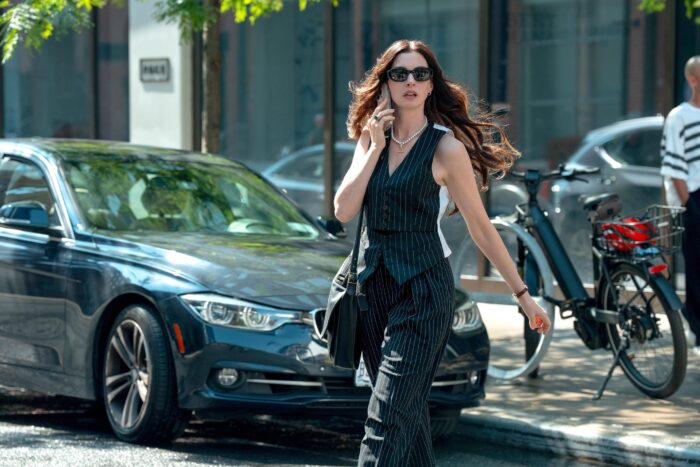
When The Devil Wear Prada (2006) was released, it showed us the world of working in a magazine. Not just any ordinary magazine, but it’s a high-fashion publication Runway based in New York City (we can argue it’s inspired by Vogue). Everyone wants to work in a fashion magazine, at least it’s a common conception in the film, because we assume it is fun: looking at beautiful dresses everyday, meeting celebrities, and traveling to Paris for a fashion show
The editor-in-chief of Runway is Miranda Priestly (Meryl Streep), a girlboss archetype character that every girl would kill to be her personal assistant. The new junior personal assistant position was eventually given to an aspiring journalist Andrea “Andy” Sachs (Anne Hathaway), with Emily (Emily Blunt) being her senior personal assistant.
Andy Sachs thought it was a simple personal assistant job while she tried to make new connections in the media industry. But oh boy… Miranda is a brutal, no non-sense boss who only cares about making sure the job is done and demanding almost impossible tasks like requesting a draft of an unpublished Harry Potter book. Thanks to Nigel (Stanley Tucci), Runway’s fashion director and Andy’s mentor, she at least gets emotional support and survives in the harsh working and, most of the time, non-ethical environment.
The Devil Wears Prada 2 starts with Andy being an accomplished journalist after she left Runway 20 years ago. Just like in real life, the media landscape has changed over two decades. In 2006, Runway was a printed publication, but now it’s a digital media that focuses on advertisement and social media hype to survive.
Miranda has always been the iconic Miranda. Meryl Streep’s composure and elegance shows her class being a well-respected and adored actress. But Andy is somewhat grown as a character with more wisdom and bravery, and stellar performance by Anne Hathaway shows us that she has grown so much since the first film.
In an award ceremony, Andy found out that she and her whole team got sacked. At the same time, Miranda and Runway face backlash over the publication’s endorsement for a fashion brand that uses sweatshop labor.
Irv Ravitz (Tibor Feldman), the owner of Runway, being under pressure of public scrutiny, recruits Andy as Runway’s new features editor in hope that she will turn the narrative around. As expected, she amazingly overturns the backlash, and even writes punchy and well-received articles with an exclusive interview with a media shy billionaire Sasha Barnes (Lucy Liu).
With everything going well with Miranda and Andy, suddenly they face the unexpected death of Irv, making his only son, Jay (B. J. Novak) the rightful heir of the company. Unlike his father who loves the publication with his whole heart, Jay is more a typical cold hearted and passive-aggressive person who sees no value at all in running a media business. He concludes to sell the company to Benji Barnes (Justin Theroux), a tech billionaire who believes AI can replace people’s jobs, leaving the staff and the publication future in limbo.
And with the future of Runway in jeopardy, this when The Devil Wears Prada 2 explores the importance of journalism, even for a fashion magazine.
In recent years, various media are facing financial instability that results in mass-layoff. From Vice Media that went bankrupt with hundreds of workers laid off in 2023 to the recent job cuts of Washington Post staff in February 2026. This recent situation is alarming for the future of journalism that tells stories that matter.
With the surge of AI tools, we may think that journalists can be replaced by robots. The appreciation towards journalists is underwhelming due to the fact that information can be easily accessed. But the job for journalists is not just to break news and write, but to be critical and tell stories that can change the world. AI can write empty words, but can they question power and hold people with it accountable?
The current job market in the media industry is collapsing. The Devil Wears Prada franchise has captured the harsh reality of this. In the first film, Andy got the job as junior editor at Runway and she was ridiculed by her friends because it doesn’t feel like an important job and she can work somewhere else that does “real journalism”. While she was offered the position as features editor in the publication 20 years later, she was grateful, even helping her fellow journalists to get a gig because being a journalist now means instability and precariousness. This is an honest representation of the current media landscape where a lot of credible and talented journalists are underappreciated and sacked from the job they are good at, where choosing where to work is not a choice.
To see Runway being sold off feels like a loss to all of us, even though it is a fictional magazine. This is what it feels like losing a publication that we loved because there are people who put their love into it. The Devil Wears Prada 2 succeeds in touching our sentimental value to feel what if we lost a magazine that has been influential to the arts and culture, even if we don’t read any fashion magazine in real life.
We have seen high-quality media financed through crowdfunding or donations from the public like ProRepublica and bellingcat. It’s a movement against media owned by rich people who don’t value journalism as a vanguard of democracy and to hold people in power accountable.
What The Devils Wears Prada 2 misses the point is that changing ownership of a media company doesn’t mean it saves journalism. Sasha Barnes comes to the rescue at the end to save the whole company, after the hard work from Miranda and Andy to find a new investor with a higher offering than Benji. This seems like a sweet ending, where a woman billionaire save women’s media workers. But to be fair, billionaires can’t save journalism (see: Bezos’s Washington Post saga). It’s a mere profit oriented decision to buy or sell a media organisation, while the important thing is to save independent and credible journalism.
This is where The Devils Wears Prada 2 falls into the capitalist girlboss messiah trope, depicted by Sacha Barnes who becomes a benevolent ultra-rich saviour of the company. The film presents us a bittersweet solution that some really rich people can save journalism, but at the end, they have one thing in common: profit.
At the end, Runway is still operating as usual. Miranda is still the editor-in-chief. Andy is still the features editor. Nigel is still the art director. They put their dedication in the name of fashion and culture, but all they do is to save their job and survive.
Photo credit: 20th Century Fox

RELATED
By Cultural Transmission Editorial
May 5, 2026
By Cultural Transmission Editorial
6 hours ago